The Strategic Evolution: How Cava Transformed Zoës Kitchen into a Mediterranean Powerhouse
In the vibrant, ever-evolving landscape of American dining, few stories encapsulate strategic vision and rapid growth quite like that of Cava. This isn't just a tale of a burgeoning mediterranean restaurant cava; it's a testament to how one company acquired and meticulously transformed another to dominate a niche. The acquisition of Zoës Kitchen in 2018 by Cava Group, Inc. was a pivotal moment, marking the beginning of a remarkable metamorphosis that culminated in Cava becoming the largest Mediterranean restaurant operator in the U.S. restaurant industry.
What started as a full-service Greek restaurant concept evolved into a fast-casual juggernaut, leveraging a strategic acquisition to scale its unique brand of fresh, customizable Mediterranean cuisine. The journey from the closure of all Zoës Kitchen locations to their replacement by Cava restaurants signifies more than just a change in signage; it represents a calculated move that repositioned an entire segment of the fast-casual market and set Cava on a path to a highly successful public debut.
The Genesis of a Mediterranean Vision
Cava's roots are deeply entwined with the entrepreneurial spirit and culinary heritage of its Greek American founders. In 2006, Ted Xenohristos, Ike Grigoropoulos, and Dimitri Moshovitis launched Cava Mezze, a full-service restaurant in Rockville, Maryland, with Moshovitis leading the kitchen as executive chef. This initial venture laid the groundwork for a broader vision: making authentic, fresh Mediterranean flavors accessible to a wider audience.
Their innovation didn't stop at dine-in experiences. Recognizing a market for high-quality, convenient Mediterranean fare, the founders partnered with Geoff and Kenny Maites in 2008 to create a line of dips and spreads. This product line quickly gained traction, expanding into over 200 stores, including prominent retailers like Whole Foods Market. This move demonstrated Cava's early understanding of brand extension and diverse revenue streams.
The true turning point for the fast-casual concept came in 2009 with the arrival of Brett Schulman as CEO and co-founder. Under his leadership, the first fast-casual Cava restaurant (originally Cava Mezze Grill, later simplified to Cava Grill and then Cava) opened its doors in Bethesda, Maryland, in January 2011. This model, focusing on customizable bowls and pitas built from fresh ingredients, resonated powerfully with consumers increasingly seeking healthier, convenient, and flavorful dining options. It was this foundation – a commitment to quality ingredients, Greek-inspired flavors, and an efficient fast-casual model – that would define Cava's future trajectory.
The Strategic Acquisition: Why Zoës Kitchen?
By 2018, Cava was a rapidly expanding force in the fast-casual segment, but its ambition stretched further. The acquisition of Zoës Kitchen for $300 million in August 2018 was not merely a merger; it was a masterstroke designed to catapult Cava into national prominence. Zoës Kitchen, while also in the Mediterranean space, had an established footprint with numerous locations across the U.S. This presented Cava with an invaluable opportunity:
- Accelerated Expansion: Instead of building every new restaurant from the ground up, Cava could convert existing Zoës locations, significantly speeding up its national expansion plans. This reduced time-to-market and allowed Cava to quickly scale its brand.
- Acquisition of Infrastructure: Zoës Kitchen came with established supply chains, real estate leases, and operational infrastructure. Integrating these assets provided Cava with a robust platform for growth, minimizing the complexities of organic expansion.
- Market Dominance: The combined entity immediately became the largest restaurant operator in the Mediterranean category in the U.S. This not only solidified Cava's market share but also enhanced its brand recognition and negotiating power.
For many restaurant groups considering growth strategies, acquiring an existing chain can offer a bypass to years of organic development. It requires careful due diligence and a clear vision for integration, but as Cava demonstrated, the rewards can be substantial. The decision to acquire Zoës was less about eliminating a competitor and more about acquiring a launchpad for unparalleled growth, a strategic move that fundamentally reshaped the competitive landscape for any mediterranean restaurant cava contender.
From Zoës to Cava: The Great Transformation
The acquisition marked the beginning of a methodical transformation. Cava Group embarked on an ambitious plan to systematically reduce the number of Zoës Kitchen locations, ultimately converting many of them into Cava restaurants. This process wasn't instantaneous but a carefully managed transition designed to leverage Zoës's prime real estate while introducing Cava's distinct brand experience to new markets.
By December 2022, the reduction in Zoës locations was significant. The final curtain fell on Zoës Kitchen in May 2023, when all remaining restaurants were either closed or successfully converted to Cava. This transition required considerable operational prowess, from rebranding and menu redesign to staff training and supply chain integration. The success of this conversion strategy speaks volumes about Cava's meticulous planning and execution.
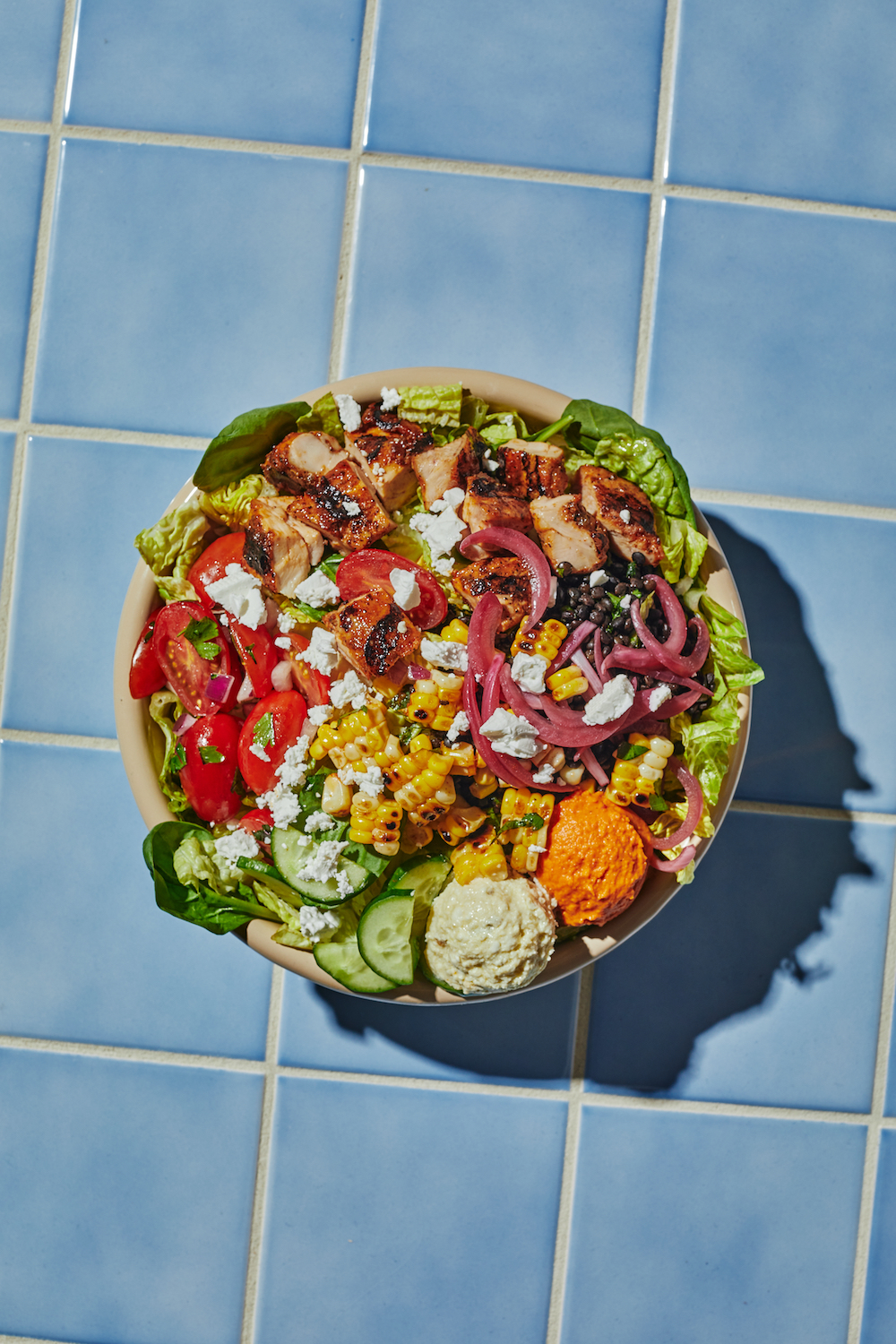
The new Cava locations, often occupying former Zoës sites, offered a fresh, modern aesthetic and a vibrant menu centered around customizable bowls, pitas, and salads, allowing customers to build their meals from a wide array of fresh ingredients, proteins, and signature dressings. This model resonated strongly with a consumer base increasingly prioritizing customization, health, and transparency in their food choices. The successful overhaul underscored Cava's commitment to its unique fast-casual identity, effectively absorbing Zoës's physical presence into its rapidly expanding empire.
Cava's Recipe for Success: More Than Just Food
Cava's ascent to becoming a Mediterranean powerhouse is a multifaceted success story, built on several key pillars:
- Appealing Menu & Customization: Cava expertly taps into the enduring popularity of the Mediterranean diet, known for its health benefits and delicious flavors. The customizable bowl format empowers customers to craft meals tailored to their dietary preferences and tastes, fostering a sense of ownership and satisfaction.
- Brand Consistency & Quality: Despite rapid expansion, Cava has maintained a strong emphasis on fresh, high-quality ingredients and a consistent brand experience across its locations. This commitment builds trust and loyalty among its customer base.
- Strategic Capitalization: Cava Group demonstrated remarkable acumen in securing significant funding rounds. By 2021, the company had raised over $640 million, including a $190 million Series F round, bringing its valuation to nearly $1.3 billion. This capital was crucial for fuel expansion, technological investment, and the strategic acquisition of Zoës Kitchen.
- Beyond the Restaurant: The continued success of its grocery store line of dips, spreads, and dressings illustrates Cava's ability to extend its brand reach beyond its brick-and-mortar restaurants, creating multiple touchpoints for consumers and diversifying its revenue streams.
- Successful Public Debut: All these elements culminated in Cava's highly anticipated public debut on the NYSE under the symbol CAVA on June 15, 2023. This IPO represented a major milestone, solidifying its position as a major player in the restaurant industry and reflecting investor confidence in its growth trajectory and market dominance. For a deeper dive, read Cava's IPO Journey: A Look at the Mediterranean Chain's Billion-Dollar Rise.
The strategic integration of Zoës Kitchen's existing infrastructure, combined with Cava's innovative fast-casual model and strong financial backing, created a powerful synergy. This allowed Cava to efficiently grow its physical footprint and consolidate its position as a dominant mediterranean restaurant cava nationwide.
Conclusion: The Future of Mediterranean Fast Casual
Cava's transformation of Zoës Kitchen into its own thriving network of Mediterranean restaurants is a masterclass in strategic growth and brand consolidation. It demonstrates the power of a clear vision, smart acquisitions, and an unwavering commitment to a high-quality, consumer-centric product. From its humble origins as a full-service Greek restaurant to its current status as a publicly traded fast-casual giant, Cava has not only carved out a significant share of the market but has also redefined what a mediterranean restaurant cava can be in the modern dining landscape.
As consumer preferences continue to shift towards healthier, customizable, and convenient options, Cava is exceptionally well-positioned for continued success. Its blend of authentic flavors, fresh ingredients, and efficient service, bolstered by its strategic expansion, ensures that Cava will remain a powerhouse in the Mediterranean fast-casual segment for years to come, influencing future trends and inspiring new ventures within the industry.